Resources, best practices, insights, and inspiration to help you organize, mobilize, and drive action that wins.
The new EU regulation reshapes the rules that govern how organizations collect, manage, and use data to influence public opinion. While intimidating, it also opens the door to new opportunities for organizations.
Most U.S. cities allow door-to-door canvassing between 9 AM and 9 PM on weekdays and Saturdays. Local ordinances set "quiet hours" to protect residents' privacy—typically banning knocks before 9 AM or after 8–9 PM. Many jurisdictions also prohibit Sunday and holiday canvassing entirely.
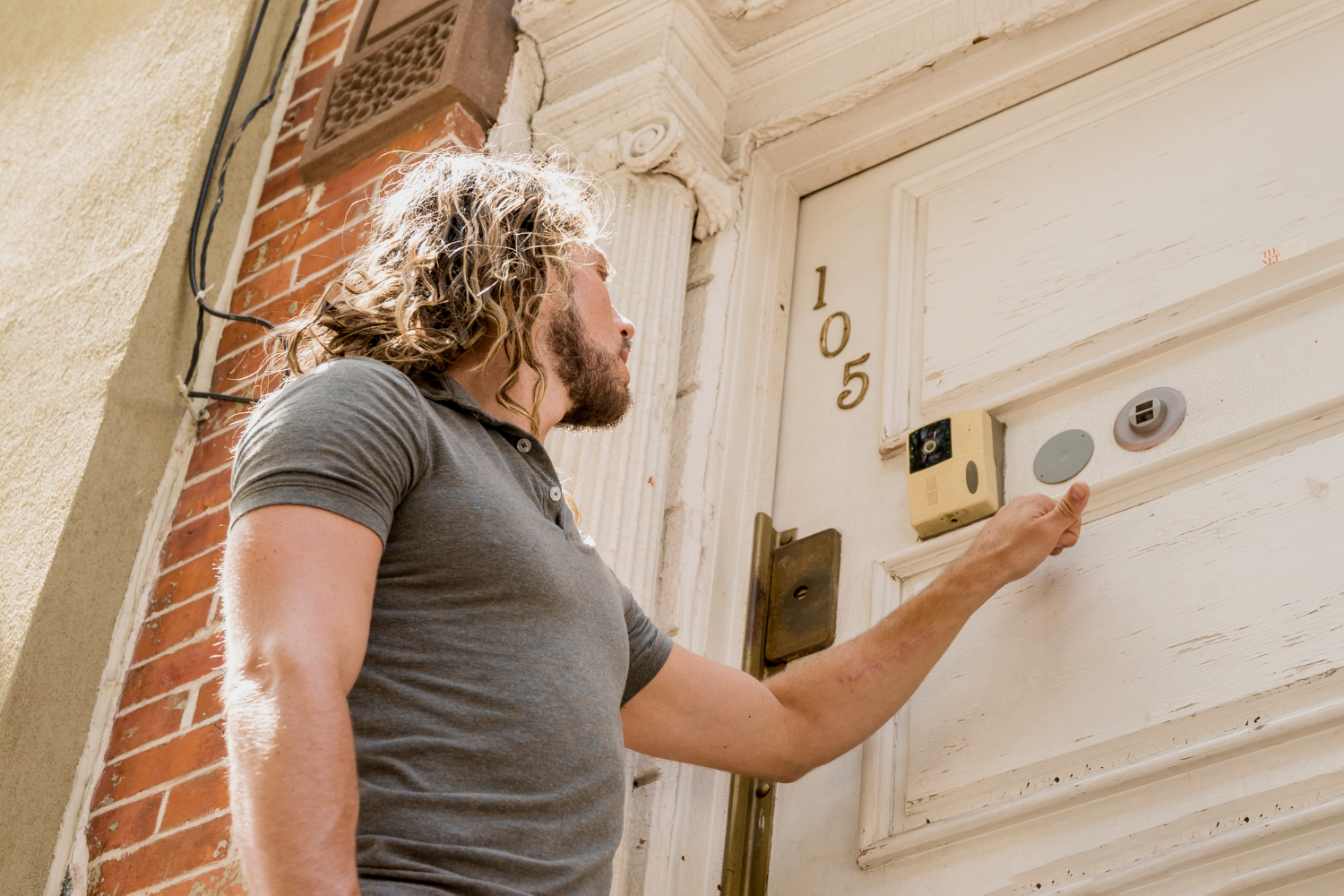
Door-to-door canvassing is legal across the United States and protected by the First Amendment for political, religious, and advocacy purposes. No permit is required for non-commercial canvassing, but you must follow local time restrictions (typically 9 AM–9 PM) and respect "No Soliciting" signs posted by homeowners.
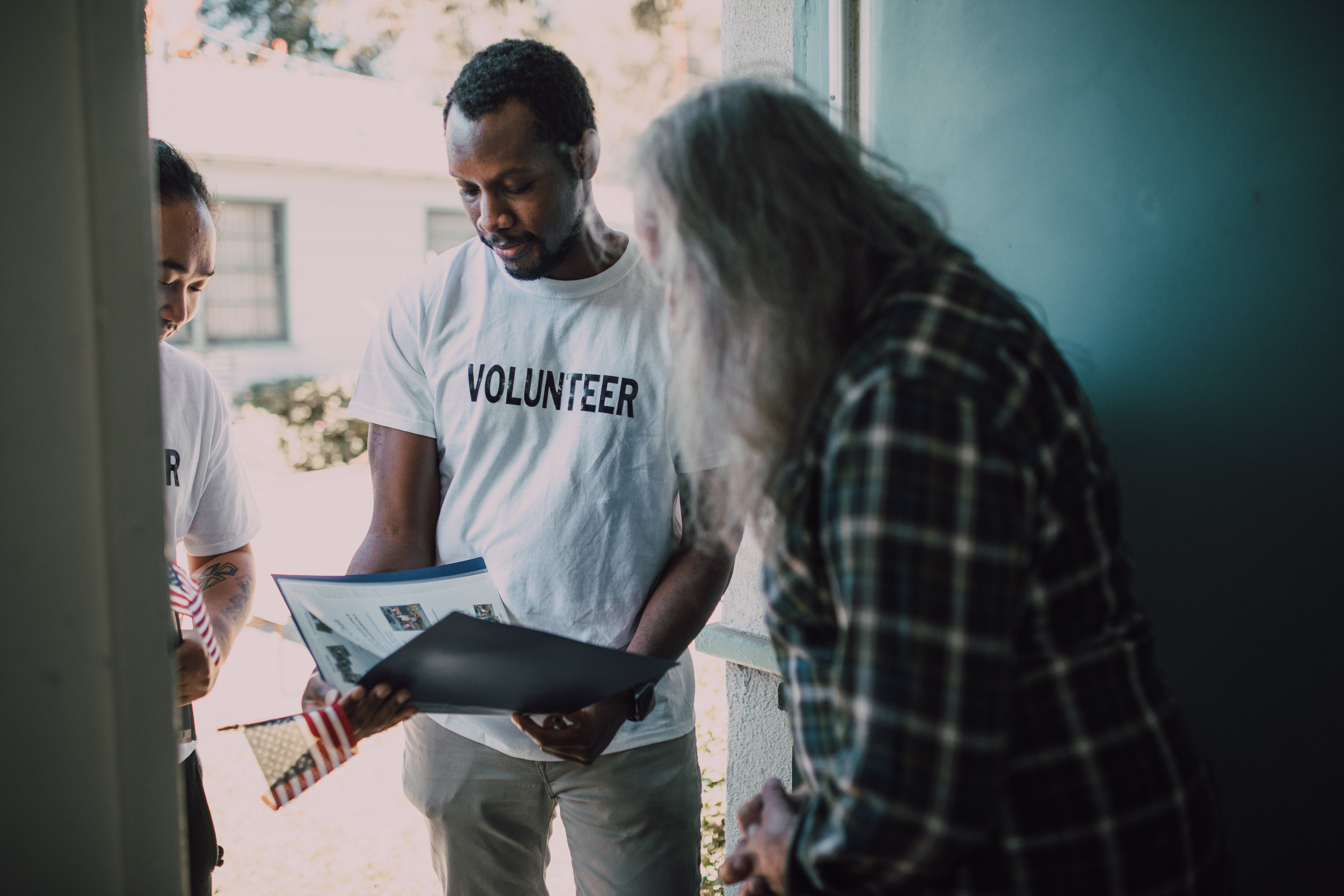
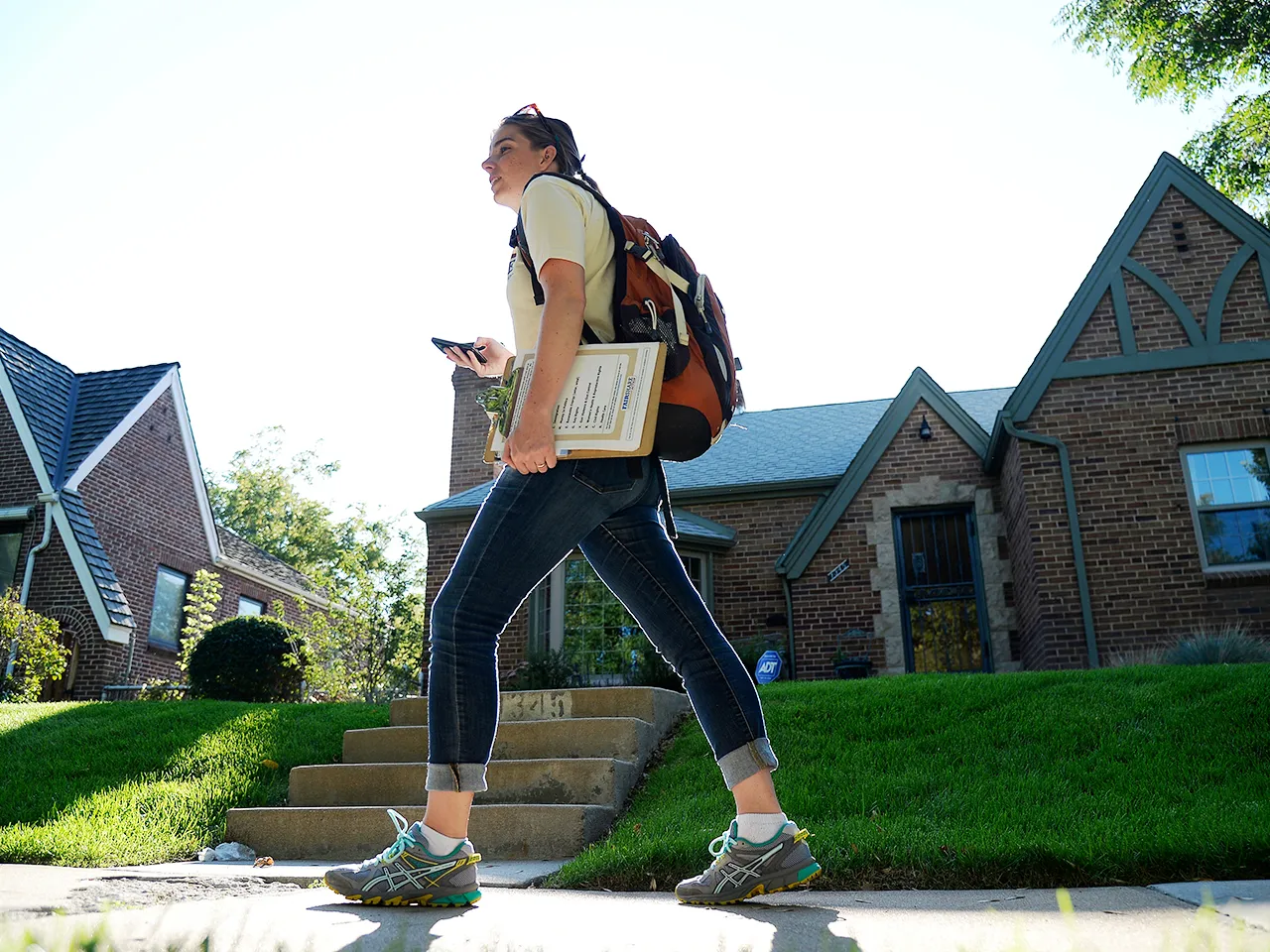
Door-to-door canvassing is face-to-face outreach at the doorstep to inform, persuade, and mobilize supporters for political campaigns, advocacy causes, or nonprofit missions.
Vote canvassing means directly contacting voters through door-to-door visits, phone calls, or personalized conversations to inform, persuade, and mobilize them before elections. Trained volunteers lead these efforts to turn passive citizens into active voters, building trust and collecting valuable voter data that drives measurable turnout gains.
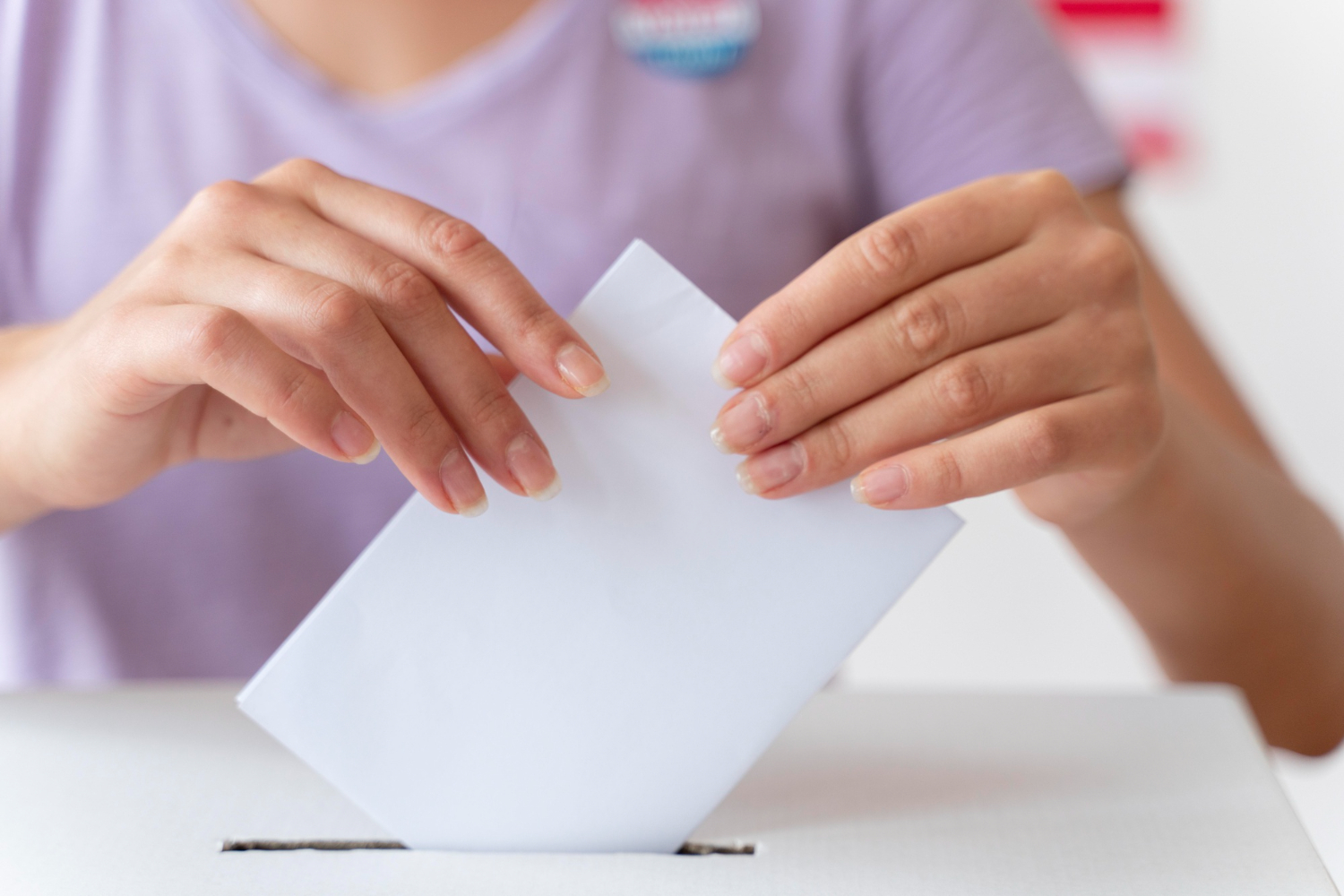
Ballot canvassing is the official post-election process of reviewing and verifying every cast ballot to ensure accurate results. Election officials examine ballots systematically, resolve discrepancies, and certify final counts.
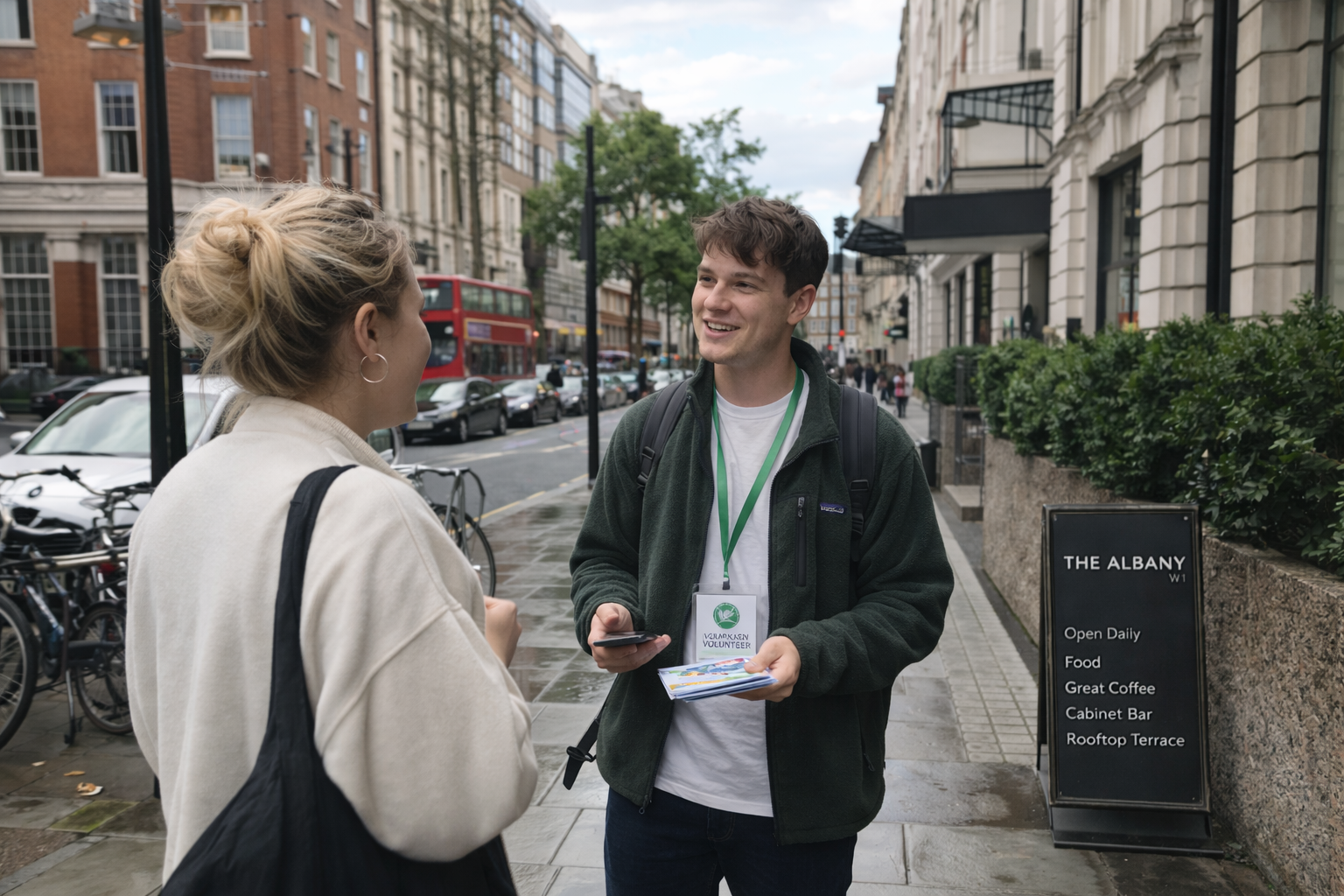
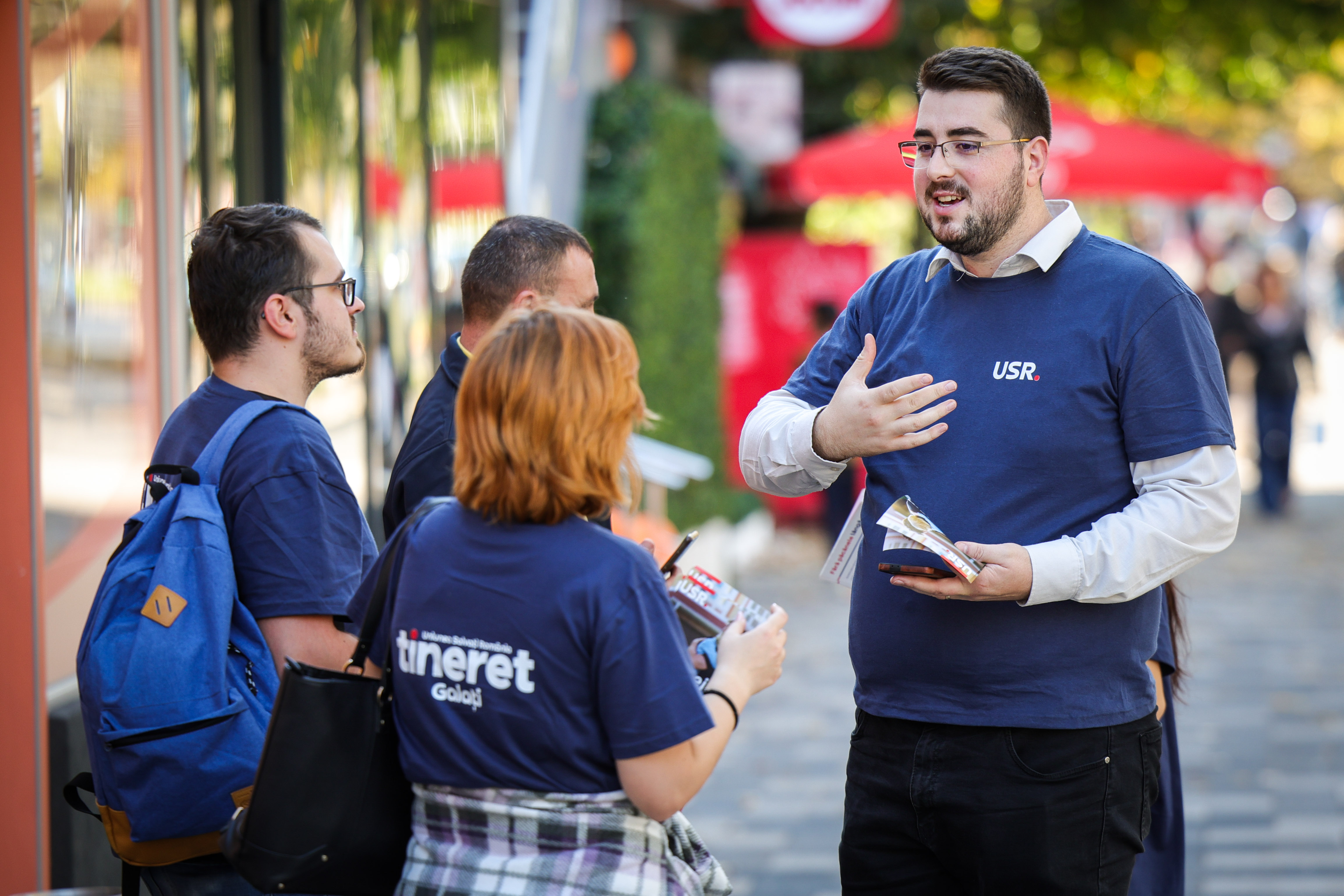
Election canvassing means meeting voters face to face to inform, persuade, and turn out supporters. Volunteers hold short conversations, log outcomes, and trigger fast follow-ups. Real-time data improves targeting and decisions.
Canvassing connects campaigns directly with people through systematic field contact. Volunteers visit neighborhoods, listen to voters, share key messages, and motivate action — all while collecting data to improve outreach.
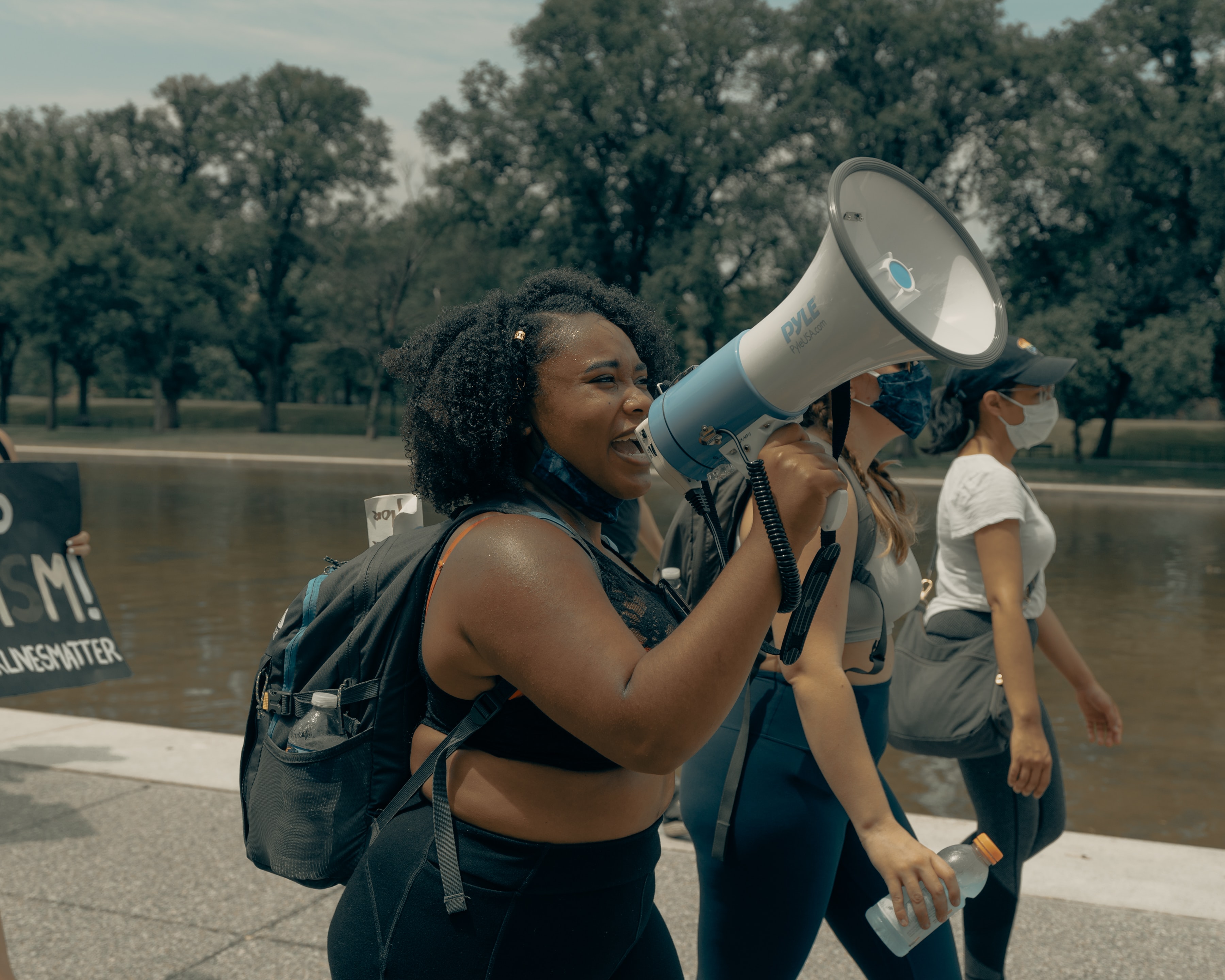
Citizens canvass to make change happen. They do it to raise awareness, increase voter turnout, and support causes that matter.
Yes. Canvassing works when conversations are targeted, timely, and followed up fast. Field contact lifts turnout, strengthens commitments, and can shift attitudes on some issues.
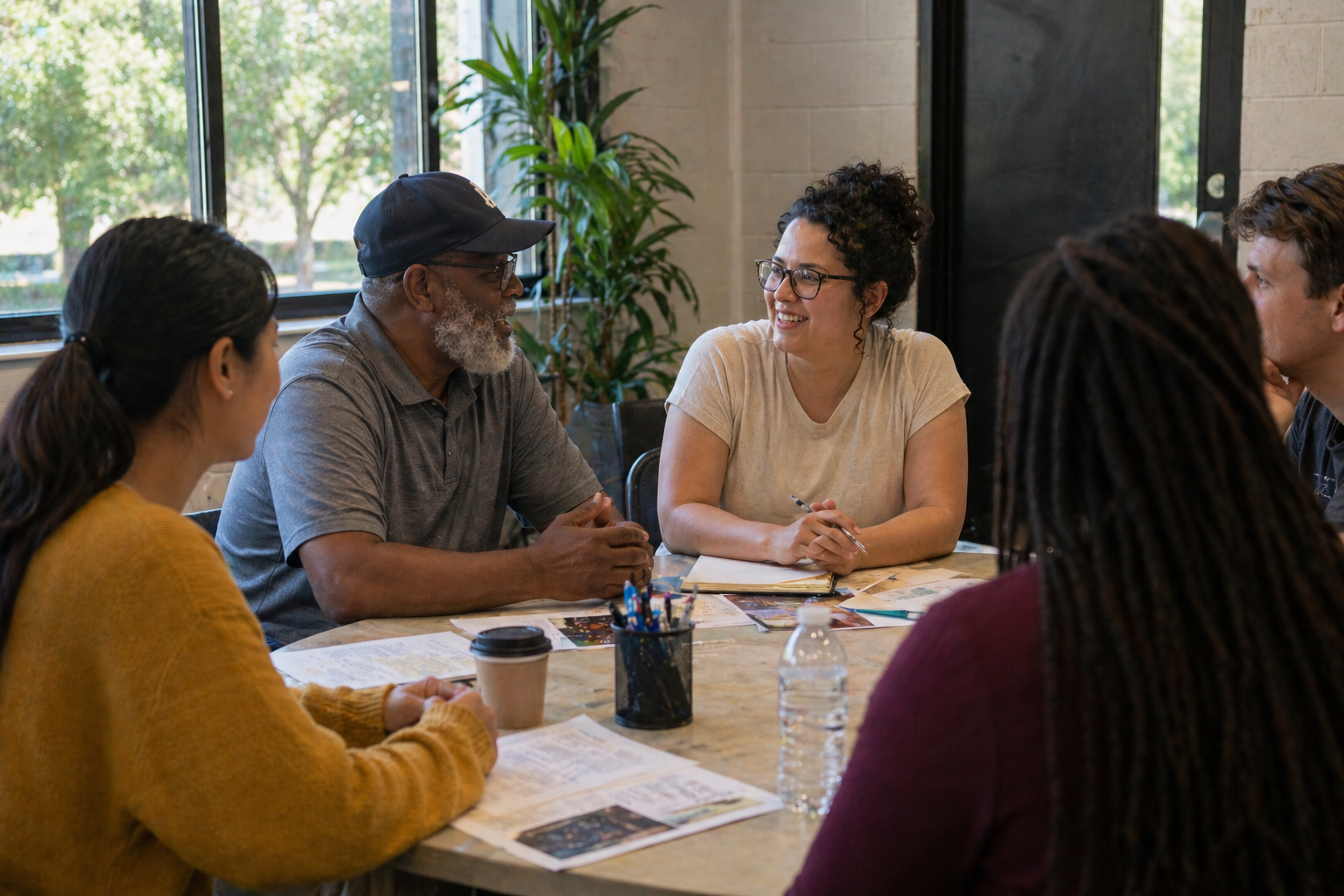
This empathy-driven approach creates lasting shifts in beliefs on polarizing issues—with canvassers openly inviting people to share their true feelings, then building common ground through authentic dialogue and shared values.
After 15 years in the field, one lesson sticks harder than any poll number or predictive model: people stay where they feel seen. That’s exactly why your volunteer retention plan is your ground game.
SMS is a powerful channel for nonprofits and political organizations, but how should you leverage it? Explore your options for SMS fundraising and advocacy.
Confused about what running a nonprofit advocacy campaign entails? Explore three misconceptions you might’ve heard, so you can run more impactful campaigns.
We've spotted two methods of canvassing: deep and traditional. Which one should you choose for your campaign?
Deep Canvassing builds emotional connections for effective and long-lasting message delivery. Learn how it can help your campaign or cause.



















.avif)