Resources, best practices, insights, and inspiration to help you organize, mobilize, and drive action that wins.
Advocacy and lobbying serve different purposes under U.S. law. Learn the key distinctions so your nonprofit stays compliant while maximizing its voice.
A structured training program turns new volunteers into confident field leaders. Follow this step-by-step guide to build training that sticks and scales with your team.
Smart scheduling keeps volunteers engaged and shifts covered. Learn how to match availability to roles, prevent no-shows, and build a system that runs itself.
Political campaigns run on volunteer power. Learn how to recruit through party networks, universities, and digital platforms and keep your team engaged through election day.
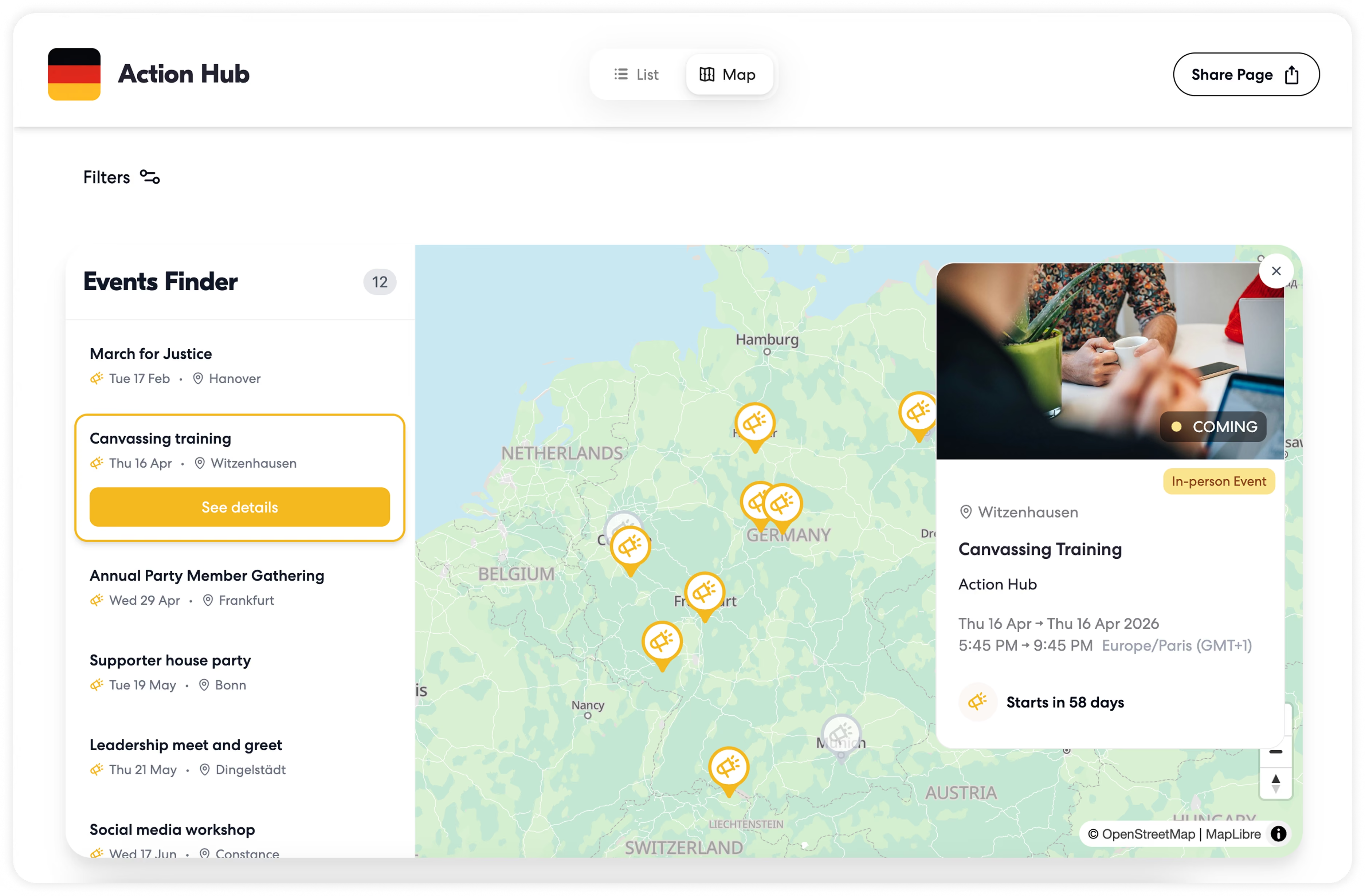
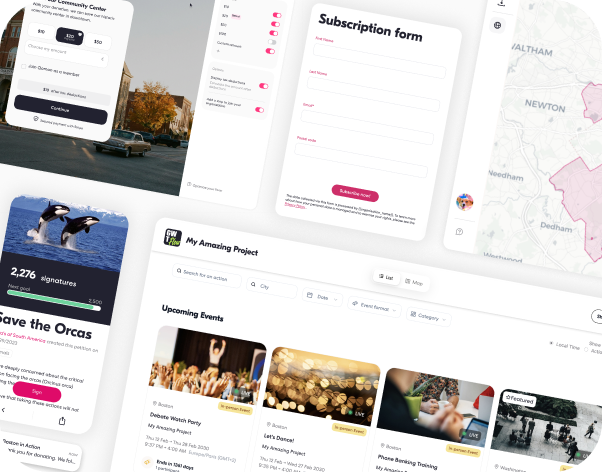
Action Hub and Action Hub Maps let you publish events directly on an interactive map. Supporters find and join actions near them with no extra coordination needed.
Volunteers who feel valued stay longer and contribute more. Discover 20 practical ways to thank your supporters from handwritten notes to public recognition.
Great onboarding turns a new signup into a confident, active volunteer in weeks. Follow this guide to structure orientation, training, and first-shift support.
Tracking volunteer hours proves your impact and satisfies grant requirements. Learn the best methods from spreadsheets to mobile check-in for accurate, consistent logging.
Organizing a volunteer program starts with a needs assessment and ends with measurable impact. Follow this complete guide to build structure, assign roles, and scale with confidence.
Door-to-door canvassing delivers a 7% conversion rate, far above digital ads or phone calls. Face-to-face conversations build trust and drive lasting engagement.
Qomon's updated territory scoring uses smarter calculations to prioritize high-impact zones. Focus your field actions where they matter most with more accurate data.
The key to effective nonprofit fundraising is leveraging a powerful donor database. Discover five best practices for strategic donor database management.
Rediscover our top resources and articles from 2025 to prepare for 2026!
A typical canvassing session takes 2-3 hours. During this time, expect 20-40 real conversations with residents. Per door, plan for 2-4 minutes on average—including walking, knocking, and note-taking. Shorter shifts (1-1.5 hours) work for quick outreach. Longer shifts (4+ hours) risk volunteer burnout and lower effectiveness. Plan your field actions around energy and attention span.
Expect to knock 15-20 doors per hour when canvassing. This benchmark applies to most U.S. neighborhoods with standard housing density. Factor in travel, training, and breaks? Plan for 10-15 doors per hour. Your actual rate depends on preparation, territory layout, and contact rate. Track your numbers daily to set smarter field action goals.
Wear comfortable, weather-appropriate clothing and broken-in walking shoes when canvassing. Choose breathable layers you can adjust throughout your shift. Campaign-branded shirts build trust at the door. Avoid political statements unrelated to your cause, heavy jewelry, and anything that restricts movement. Your outfit affects first impressions and your ability to walk 2-5 miles comfortably.
Is canvassing dangerous? No—canvassing is not inherently dangerous, but it carries manageable risks. Most voter interactions are positive and rewarding. However, volunteers may face verbal confrontation, environmental hazards, or uncomfortable situations. With proper preparation, buddy systems, and clear protocols, campaigns can protect canvassers while maintaining effective field actions. Safety planning turns potential risks into minor inconveniences.
Preparing for canvassing means gathering your materials, reviewing your script, planning your route, and getting mentally ready. Start the night before by charging your phone and packing essentials. Review your talking points until they feel natural. Check your assigned turf and study the map. Arrive rested, dressed comfortably, and confident. Good preparation prevents mistakes and reduces anxiety at the door.
Knowing what to say when canvassing starts with a clear introduction, a specific purpose, and open-ended questions. Effective canvassing scripts follow a simple structure. You introduce yourself, explain your purpose, ask questions, listen, and make one clear ask.
We’re thrilled to share that Qomon has been named Best Field and Organizing Platform by Campaigns & Elections - two years in a row!