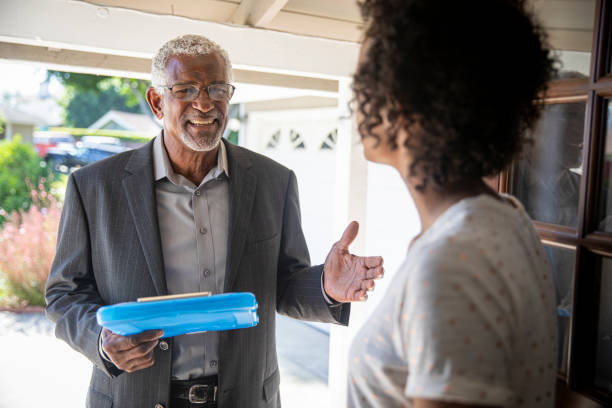
Political canvassing is at the heart of grassroots democracy. It involves more than knocking on doors; it consists of building trust, listening to concerns, and turning neighbors into voters.
Let’s take a look into canvassing, its evolution, and its crucial role in elections.
What is Political Canvassing?
At its core, political canvassing means reaching out to voters directly -usually in person or over the phone -to talk about issues, candidates, and elections. It's where real conversations happen and change starts.
The word "canvassing" stems from the idea of "sifting" opinions. In politics, it means cutting through the noise to connect with people and understand their needs.
Why it matters:
- Information gathering: Learn what voters care about most.
- Persuasion: Help undecided voters see why a candidate deserves their vote.
- Mobilization: Make sure voters don't show support for a candidate, they take action.
What Does a Political Canvasser Do?
Political canvassers are the front line of grassroots engagement. Their job goes far beyond knocking on doors—it's about creating genuine, person-to-person contact with voters.
A typical canvasser's role includes:
- Preparing and reviewing voter lists or app data before heading out.
- Approaching residents with a friendly, respectful tone.
- Asking targeted questions and listening carefully to concerns.
- Recording useful feedback (manually or using a canvassing app).
- Encouraging people to support a candidate, vote early, or volunteer.
Canvassers often work in pairs or small groups, especially in unfamiliar neighborhoods. They receive scripts or talking points to stay focused, but success depends largely on authenticity, empathy, and the ability to adapt to different personalities on the doorstep.
Evolution in Canvassing: From Paper to Digital
Canvassing isn't new, but the way it's done has changed dramatically over the years.
How It Started
Tammany Hall: In the 19th century, Tammany Hall, an American political organization, became famous for its ability to connect directly with people. Their grassroots canvassing efforts weren't just about knocking on doors-they were about building relationships and securing political loyalty.
Obama's campaigns: In 2008 and 2012, Obama's team took canvassing to a whole new level. They used data and technology to focus on the right voters at the right time, turning it into an incredibly efficient and data-driven strategy.
How It's Done Today
Apps, databases, and social media now make canvassing faster, smarter, and more effective. But at its heart, it's still about one conversation at a time.
3 Reasons Why Political Canvassing is Critical in U.S. Elections
Political canvassing is one of the most effective ways to boost voter turnout. When campaigns engage directly with voters, they don't just inform-they inspire action. The numbers back it up: personal outreach works.
Canvassing Boosts Voter Turnout
It's proven to work: Research found that face-to-face canvassing can increase voter turnout by about 8.7 percentage points. That's no small feat when razor-thin margins often win elections.
Why it matters more than mail or phone calls: The same study revealed that direct mail only slightly increases turnout, while phone calls have little to no effect. A game-changer in battleground states: In places where every vote truly counts, canvassing can make all the difference. Even a small increase in turnout can tip the scales in favor of a candidate.
Comparative data:
- Robocalls: ~0% impact
- Direct mail: ~0.5–1% impact
- Text messaging: ~2–3% impact
- Face-to-face canvassing: ~6–9% impact
Campaigns that invest in canvassing see measurable gains in turnout and support.
Mobilizing Undecided Voters Through Canvassing
Some voters don't know who to vote for-or if they'll vote at all. Canvassing can change that.
- How it helps: Canvassers tailor their messages to address concerns, explain policies, and show undecided voters how a candidate aligns with their values.
- A case in point: In François Hollande's 2012 French presidential campaign, canvassing didn't raise turnout, but it increased his vote share. In fact, it accounted for one-fourth of his winning margin in the second round.
- Why it matters here: Swing states and close races depend on those undecided voters. A single conversation can flip someone from "maybe" to "yes."
Did You Know? During one week in October 2024, the Harris campaign volunteers knocked on 1.6 million doors and made 20 million calls. They had around 2,500 staff nationwide, with 375 based in Pennsylvania alone.
The Psychological Effect of Personal Contact
- It's personal: People feel heard and valued.
- It builds trust: A friendly conversation can do what no ad or email can
Unhurried, personal appeals are more effective than impersonal communications. Friend-to-friend outreach can increase turnout by eight percentage points, surpassing traditional canvassing methods.
Top Most Efficient Political Canvassing Strategies
Political canvassing strategies play a crucial role in engaging voters and driving turnout. Each method offers distinct advantages and challenges based on the campaign's goals, resources, and audience.
| Canvassing Strategy | Description | Main Goal | Strengths | Weaknesses |
|---|---|---|---|---|
Door-to-Door Canvassing | Volunteers visit voters' homes for personal, face-to-face conversations. | Build trust, increase turnout, and address individual concerns. | Creates a personal connection; builds trust; effective in close elections. | Requires significant time, training, and a large number of volunteers. |
Phone-Banking | Volunteers call voters to discuss issues, encourage turnout, or recruit support remotely. | Persuade undecided voters and motivate participation. | Cost-effective, scalable, and enables remote outreach. | May face challenges with unresponsive recipients or negative perceptions due to robocalls. |
Street Canvassing | Engaging voters in public spaces such as parks, markets, or transit areas. | Raise awareness and spark interest among passersby. | It reaches diverse audiences and has high visibility and low logistical demands. | Limited time to convey detailed messages; less effective for in-depth persuasion. |
Event Canvassing | Outreach is conducted during rallies, festivals, or community gatherings. | Mobilize large groups and amplify campaign messaging. | Cost-efficient for broad exposure; energizes supporters. | It is difficult to target specific voter segments; the audience may not align politically. |
Deep Canvassing | Focused, one-on-one discussions that explore voters' values and stories. | Shift perspectives, address doubts, and foster understanding. | Demonstrates empathy; highly effective in changing minds. | Time-consuming; requires extensive training for volunteers. |
Data-Driven Canvassing | Leveraging analytics and voter data to target outreach efforts based on demographics or behavior. | Maximize resource efficiency and focus on high-impact voter segments. | Optimizes campaign strategies; cost-effective for specific goals. | Dependent on accurate data; risks excluding underrepresented groups. |
3 Main Steps in Canvassing
Strategy 1 : Early Mobilization: Reaching Voters Ahead of Election Day
Starting canvassing efforts early can significantly impact voter turnout. Early mobilization helps campaigns identify, educate, and engage voters well before Election Day, ensuring they feel confident and ready to vote.
Strategy 2 : Building Trust Over Time
Repeated interactions with voters build trust and loyalty. Early canvassing gives campaigns the time to form genuine relationships, address concerns, and create a strong foundation for later efforts.
Strategy 3 : Case Study: Obama's 2008 Campaign
Barack Obama's 2008 campaign exemplifies the power of early mobilization. By prioritizing community organizing months ahead of the election, his team achieved record voter turnout and lasting engagement with their supporters.
Strategy 4 : The Role of Deep Canvassing in U.S. Elections
Deep canvassing emphasizes long, empathetic conversations with voters. Volunteers share personal stories, listen to concerns, and connect emotionally rather than relying solely on facts.
Strategy 5 : How Deep Canvassing Drives Change
Emotional resonance: Voters remember stories and feelings more than statistics. Lasting impact: Research shows that deep canvassing changes opinions for up to three months, which is far longer than other methods. Adaptability: By listening to voters, campaigns can adjust their messaging in real-time to address current community needs.
Curious about how deep canvassing works and why it delivers such powerful results? Take a look at our article, "Deep Canvassing and Its Benefits." , which breaks down how this approach can help you connect with voters on a personal level and create meaningful, lasting change for your campaign or cause.
Strategy 6 : GOTV (Get Out the Vote): The Final Push
As Election Day approaches, GOTV (Get Out the Vote) focuses on making sure supporters follow through and cast their votes. Personal outreach helps motivate voters, answer last-minute questions, and even offer practical help like rides to the polls. In close races, these efforts can make all the difference.
How Campaigns Get It Done
- Personalized outreach: Reaching out to voters with specific information about their polling places and voting times helps eliminate confusion and ensures follow-through.
- Removing obstacles: Many voters face practical challenges on Election Day. Providing rides to the polls, childcare, or even clear instructions on how to vote can make the process easier.
- Creating a sense of urgency: Reminding people that every vote truly matters inspires action and helps drive turnout.
We’ve seen the impact of strong GOTV efforts in real-life campaigns. For example, in Georgia’s 2021 Senate runoff, targeted GOTV outreach helped mobilize voters, ultimately flipping the state.
Want to know more about how to conduct effective canvassing campaigns using five proven strategies to maximize voter turnout? Check out our guide: Canvassing: 5 best practices.
Staying Safe While Canvassing
While most canvassing interactions are positive, it's important to stay prepared and prioritize safety. The following tips, inspired by campaign best practices, help ensure canvassers feel confident and protected:
- Canvass in pairs or small teams whenever possible.
- Avoid entering someone’s home, even if invited inside.
- Schedule canvassing during daylight hours for visibility and comfort.
- Trust your instincts—if a situation feels off, step away and regroup.
- Use apps or check-in systems to stay in touch with your team.
- Keep essential items only (avoid valuables) and always know your exit route.
- Log and report incidents if you feel unsafe, threatened, or harassed.
Knowing the local context also helps anticipate risks and engage voters more safely and respectfully.
What to Bring When Canvassing
Being properly equipped helps canvassers stay effective, professional, and comfortable throughout the day. Here's a checklist of essentials:
- A lightweight backpack or crossbody bag
- Water and snacks for long canvassing shifts
- Printed flyers or campaign literature
- Fully charged smartphone (plus portable charger)
- Canvassing app (like Qomon, MiniVAN, or Ecanvasser)
- Pen and notepad, just in case
- Comfortable shoes and weather-appropriate clothing
- Name tag or campaign badge for identification
These small preparations can make a big difference in staying focused and energized.
Tips to Succeed: Canvassing Strategies for Your Campaign
Strategy 1 : Train Your Volunteers Effectively
Your volunteers are the heart of your campaign, so it's important to prepare them well. Provide clear instructions, easy-to-follow scripts, and plenty of practice through role-playing exercises. A confident, well-trained team will ensure consistent and meaningful voter interactions.
Strategy 2 : Use Technology to Streamline Canvassing Efforts
Technology can make canvassing more efficient and organized. Tools like **Qomon** help track voter outreach, create detailed canvassing routes, and analyze data so your team can focus on what matters most-engaging with voters.
Strategy 3 : Personalize Your Message for Different Audiences
Voters respond better to messages tailored to their needs and concerns. Take the time to understand your audience and adapt your approach. Whether it's addressing local issues or speaking to shared values, personalization builds trust and strengthens connections.
Strategy 4 : Focus on Relationship-Building Over Persuasion
Canvassing isn't just about convincing voters-it's about creating genuine relationships. When voters feel heard and understood, they're more likely to trust your campaign and stay engaged over the long term.
Strategy 5 : Engage Volunteers from Local Communities
Local volunteers bring unique insights into their neighborhoods, making them the perfect advocates for your campaign. They understand the people they're talking to and can connect in authentic and natural ways.
Strategy 6 : Prepare for Safety and Conflict Resolution
Sometimes canvassers face challenging situations. Make sure your team knows how to handle conflicts calmly and has a plan for staying safe. A little preparation goes a long way in ensuring everyone feels confident and secure.
Strategy 7 : Make Follow-Ups Part of Your Strategy
One conversation might not be enough. Follow up with voters after your initial outreach through calls, emails, or another visit. Staying in touch keeps your campaign fresh in their minds and builds momentum.
Strategy 8 : Keep Volunteers Motivated and Appreciated
Don't forget to recognize and thank your volunteers for their hard work. Celebrate successes, offer encouragement, and create a supportive atmosphere to keep everyone energized throughout the campaign.
Strategy 9 : Plan for Diverse Outreach Needs
Connecting with underrepresented groups and voters with accessibility needs is essential for an inclusive campaign. Consider using multilingual materials, crafting messages that resonate with diverse communities, and partnering with local organizations to ensure every voter feels recognized and appreciated.
To learn more about effective canvassing, check out our guide, 10 Tips for Canvassing Effectively. Whether you're running a political campaign, organizing a grassroots movement, or connecting with your community, this resource is packed with proven strategies to help you make a lasting impact.
[Webinar] Canvassing Tips & Tricks: How to get the most out of your canvassing operations?
Essential Features of Modern Canvassing Apps
1. Organizing People and Data
Modern canvassing apps make managing teams and tracking voter information much easier. These tools allow campaigns to assign canvassing routes, monitor progress, and store important data in one convenient location. With features like real-time updates and detailed voter profiles, your team stays organized and ensures every voter is reached.
2. Streamlining Communication and Outreach
Clear communication is key during canvassing campaigns, and modern apps simplify this process. In-app messaging, automated reminders, and push notifications keep everyone on the same page. Many apps also integrate with email or SMS platforms, making it easier to contact voters quickly and effectively.
3. Analyzing Results and Optimizing Campaigns
Campaign success depends on data-driven decisions. Canvassing apps provide tools to analyze voter engagement and volunteer performance, helping you adjust strategies and focus on what’s working. This ensures your campaign makes the most of its resources.
Canvassing Beyond Elections: Forever Campaigning
While political campaigns are the most visible use of canvassing, this strategy is used in many other contexts where one-on-one outreach is key. Here are a few examples:
- Fundraising canvassing: Nonprofits and advocacy groups use canvassing to connect with potential donors and promote their cause.
- Ballot initiatives: Activists engage residents to explain policy proposals and gather petition signatures.
- Community organizing: Grassroots groups canvass to build awareness, listen to local concerns, and mobilize around shared goals.
- Sales and marketing: Some companies use door-to-door canvassing to promote products or services, relying on similar conversational techniques.
Whether political or commercial, canvassing works best when rooted in empathy, active listening, and personalized engagement.
Ready to take your canvassing campaign to the next level? Book a live demo today and see how the right tools can help you stay organized, connect better with voters, and achieve your goals.