
In the realm of grassroots movements, the Snowflake Model is a powerful strategy that shakes the very concepts of campaigning and volunteering. This approach to organizing movements proves to be instrumental in today's mobilization practices, emphasizing a decentralized structure where leadership is distributed across various levels of the community.
Replicating Initiatives at Local Levels
At its core, the Snowflake Model encourages a bottom-up approach, giving individuals the autonomy to establish replicated initiatives within their local communities or networks. This distribution of leadership empowers volunteers to take initiative and to adapt your global movement to local specificities. It does get technical pretty fast - here's an example.
A nationwide movement may have a wide range of local chapters. Each of these chapters must adapt and align with their community, while upholding the goals and values of the mother organization. While it is the national leadership that extends general directions and ressources to the chapters, it is up to the local volunteers to communicate and operate in a way that will appeal to their community.
By leveraging their local relationships and knowledge, volunteers can establish trust and rapport with voters in a strong and authentic manner. Because they're not politicans on a poster - they're friends you bump into at the theater.
It goes further: the Snowflake Model empowers local leaders to match the movement's goals and practices to rare socio-geographical contexts, addressing unspoken needs and nuances within diverse communities.
For instance, a chapter of your movement located in a large city may want to place more emphasis on improving public transportation while a chapter in a more rural area will want to focus on agricultural policy.

Going Door-to-Door with the Snowflake Model
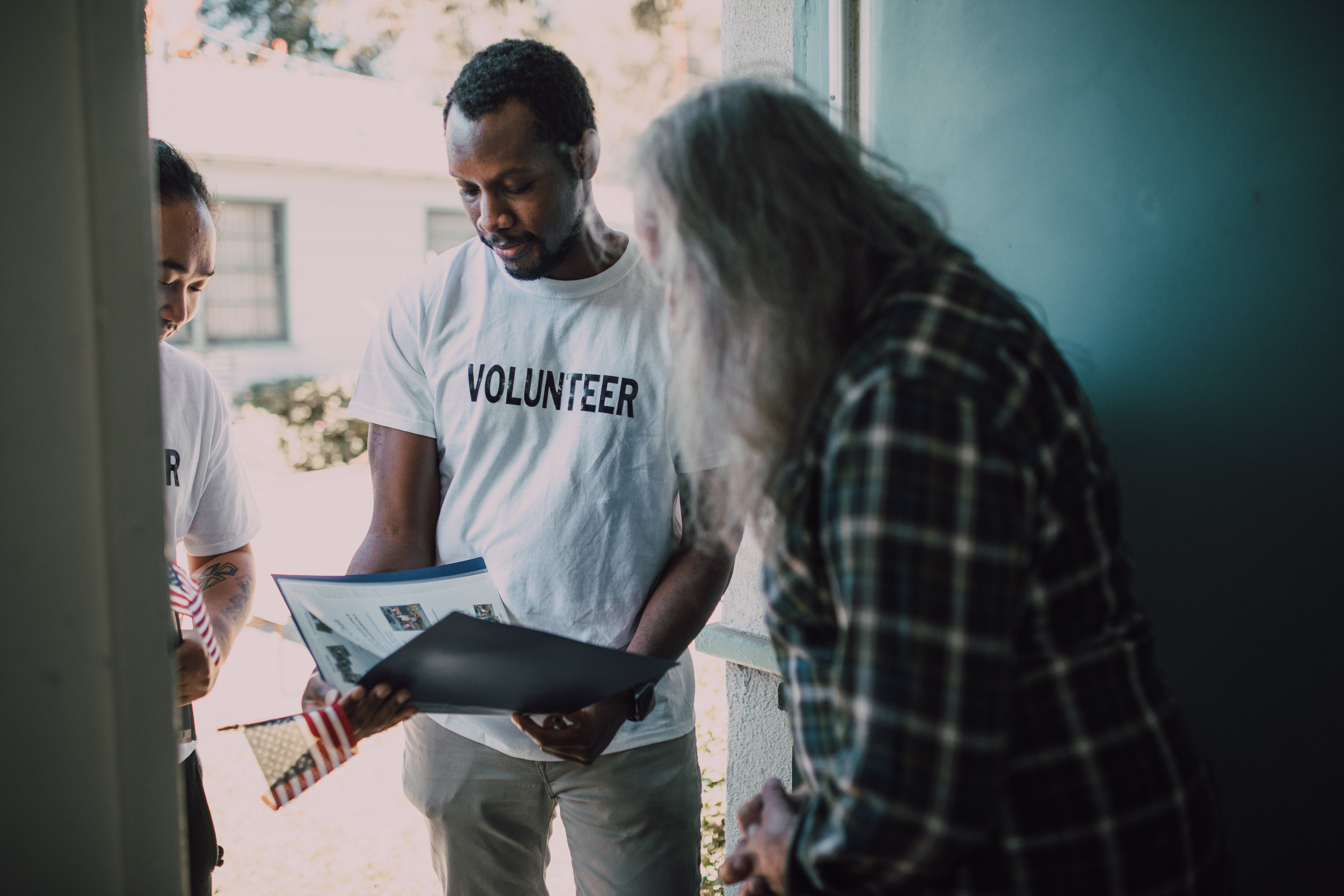
The Snowflake Model is a key resource in door-to-door canvassing efforts - we use it all the time!
By engaging in genuine conversations, volunteers armed with the Snowflake Model can address concerns, share personal stories, and discuss the issues that matter most to the community - far transcending more top-down campaign methods.
This approach fosters a sense of credibility and relatability, making the message more persuasive and impactful.
Geographic and Cultural Benefits of Canvassing with the Snowflake Model
Tapping into the super local is a necessary step for movements who want to grow. Localization is a key step when scaling any movement - no matter how large. Building reliant, solid connections at all levels will lead to growth, whether that be by your own actions or word-of-mouth from your contacts.
Volunteers who understand the unique needs and nuances of their communities can tailor their messages and outreach efforts perfectly, ensuring they resonate with the specific concerns of the people they engage with.

In essence, the Snowflake Model redefines volunteer participation in grassroots movements. By entrusting individuals with the responsibility to lead within their communities, campaigns can harness the collective power of passionate volunteers.
This decentralized, bottom-up approach not only encourages more active participation but also fosters a genuine sense of community. As a result, movements utilizing the Snowflake Model are not just campaigns; they become organic expressions of democracy, bringing together diverse communities and empowering them to make a much needed difference.
Want to bring the Snowflake Model to your movement? Here's our 3-step guide to get started.
Step One: Understand Your Base and Create “Universes”
To effectively apply the Snowflake Model to your movement, start by breaking down your base into distinct levels of commitment. Create "universes" within your movement, categorizing your people based on their engagement levels. These universes can be structured as follows:
- Contacts: Individuals who are aware of your movement but have not yet actively engaged.
- Low Supporters: Individuals who show minimal support, perhaps through occasional interactions or social media engagement.
- High Supporters: Individuals who consistently support your cause, attend events, or participate in online discussions.
- Volunteers: Passionate supporters willing to invest their time and energy in actively promoting your movement.
- Donors: Supporters who contribute financially to your cause, enabling you to sustain and expand your initiatives.
Step Two: Define Clear Roles and Provide Necessary Tools
Assign clear roles to individuals within each universe, empowering them with specific responsibilities. Provide training and necessary tools to ensure that every member understands their role and can act independently.
This may include organizing training sessions, creating informational materials, and keeping up communication between volunteers.
- Contacts: Encourage contacts to become Low Supporters by providing them with engaging content and compelling reasons to actively support your cause.
- Low Supporters: Equip them with resources to amplify their support, such as social media toolkits, sample scripts for conversations, and guidance on organizing small awareness events.
- High Supporters: Acknowledge their dedication and provide them with opportunities to become Volunteers, involving them in organizing community initiatives and engaging in advocacy efforts.
- Volunteers: Offer training sessions, leadership development programs, and regular updates to enhance their effectiveness in mobilizing support and coordinating local activities.
- Donors: Keep them informed about the impact of their contributions, ensuring transparency and accountability, which strengthens their trust in your movement.
Step Three: Leverage Local Networks
Ask your volunteers to identify highly involved or influential individuals at the local level, who can support your cause within their local communities. Encourage reaching out to these individuals, building genuine relationships and interesting them in your movement. These influential supporters will help expand your networks and flood your chapter with visibility and support from surrounding communities.
- Identify Influential Individuals: Research local community leaders, activists, business owners, educators, and other influential figures who align with your cause.
- Cultivate Relationships: Encourage volunteers to initiate conversations, attend local events, and actively participate in community discussions to establish authentic connections.
By following these steps, your grassroots movement will effectively implement the Snowflake Model, fully translating the strengths and networks of your local people supporters into tangible impact and laying the groundwork for a more inclusive and democratic future.